
5.11.24

in the soil
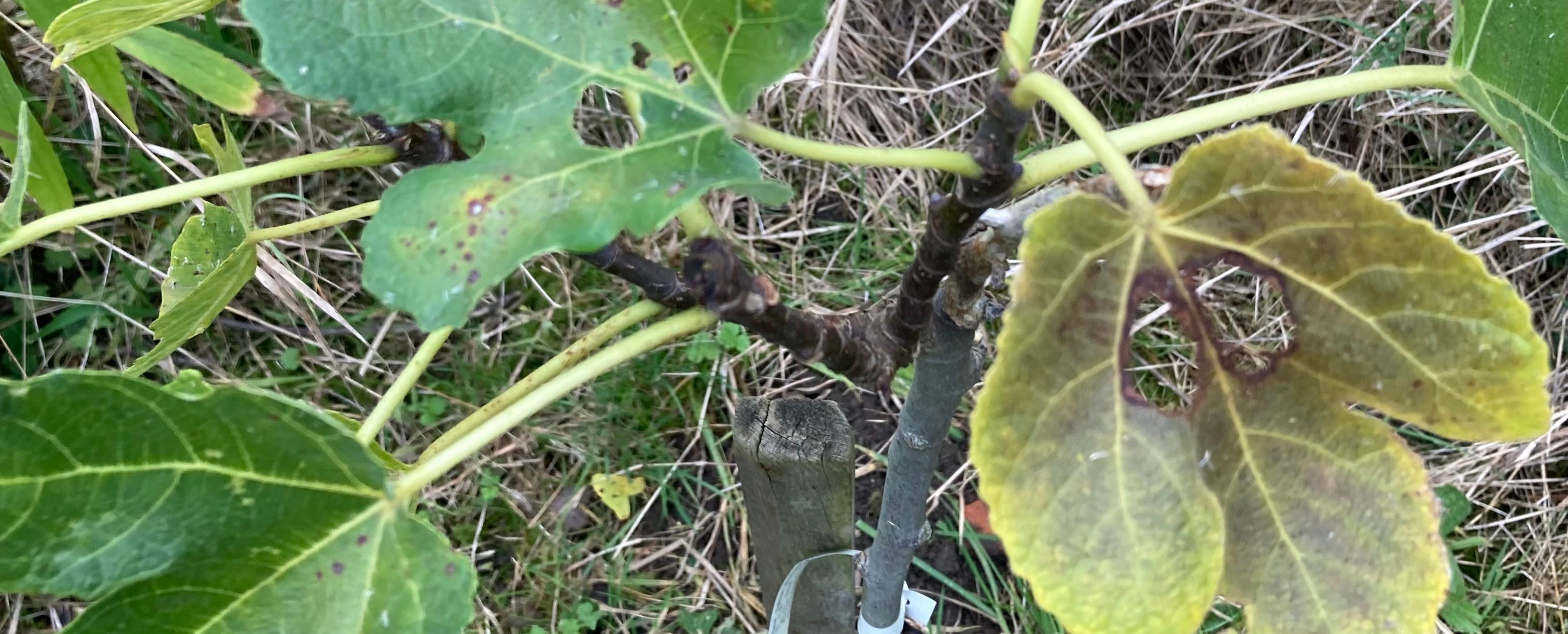
Day had broken cold and grey, exceedingly cold and grey, begins Jack London’s “To Build a Fire” and although here it is nowhere near the exceedingly cold break of the crepuscular twilight day of the Klondike, in fact still somewhat warm for the season, it is that that I think of in the blank grey November skies over the plot, unchanging until darkness and then the flashes and showers of fireworks, the blank bright grey of a severe headache, or depression. There is not even a great deal to do, the archaeologist two plots over has been occupying himself these past few weeks by burning whatever he has that needs burning but I have nothing to burn, it is mainly a matter in this season of taking stock of things, of noting what is what and what is where, not making any great changes but tidying around the edges, keeping alive what is alive and an eye on what is dying.
in the kitchen
Soup, soup, soup – as we change our menus for the change of the weather and the month it is hard to stop everything changing into soup, broth, stew, potage, and I don’t always want to resist. Italian gives us various categories of soups each of which can satisfy a particular soupy craving – the clean nourishment of a brodo when you are feeling peaky, an expansive minestra or minestrone after a long day outside, a zuppa to fill in the edges – and so it would not be so hard to fill a menu with them. Zuppa Inglese or (essentially) trifle (zuppa originally referring (as I think soup does in English) not to the liquid but to the sops of bread soaked in it or used to eat it and therefore including various bread-pudding adjacent dishes) means you could even have a dessert. My favourite soup I cook this week is one half-remembered from a book by the actor Vincent Schiavelli on the food of his ancestral hometown of Polizzi Generosa, a thick mess of farro, chestnut and pancetta brightened with splashes of bitter green chicory.
on the page
The newly published A Garden Manifesto, edited by Olivia Laing and Richard Porter, a fascinating collection of essays and poetry interspersed with photography and other visual art, all more or less dealing in some way with the idea of the garden as a radical space, is obviously intended as something to dip in and out of, to take your time with, but leafing (no pun intended) through it on a bright afternoon I find myself reading the whole thing, a bad habit of mine but a well-spent afternoon. It is on the table next to my side of the sofa, ready to be leafed through again.