
3.6.25

in the soil
Suddenly it is summer, everything needs watering and I need to put on sunscreen; strange to think that a week ago a late frost killed everyone's courgette plants and everyone's beans and the leaves on the potatoes. Now the first earlies are wearing a fresh batch of greenery, the replacement courgettes look well bedded in and my cucumbers and climbing beans are poking above the ground, true leaves showing already. The warm air is heavy with elderflower above the slow-worms nestled in the compost bin; it is the time of year when it is most pleasant to just sit and listen to the birds, to dog-walkers on the other side of the hedge, to the whine of somebody's strimmer, the time also when if you do not work each week to the keep the grass and the bindweed and the wildflowers in check, to turn and care for the soil you are intending to put your tomatoes in, you will find yourself soon enough with a wilderness either overrun with unintended green or baked hard in the sun, I get up and start pulling the thistles out from among the redcurrants.
in the kitchen
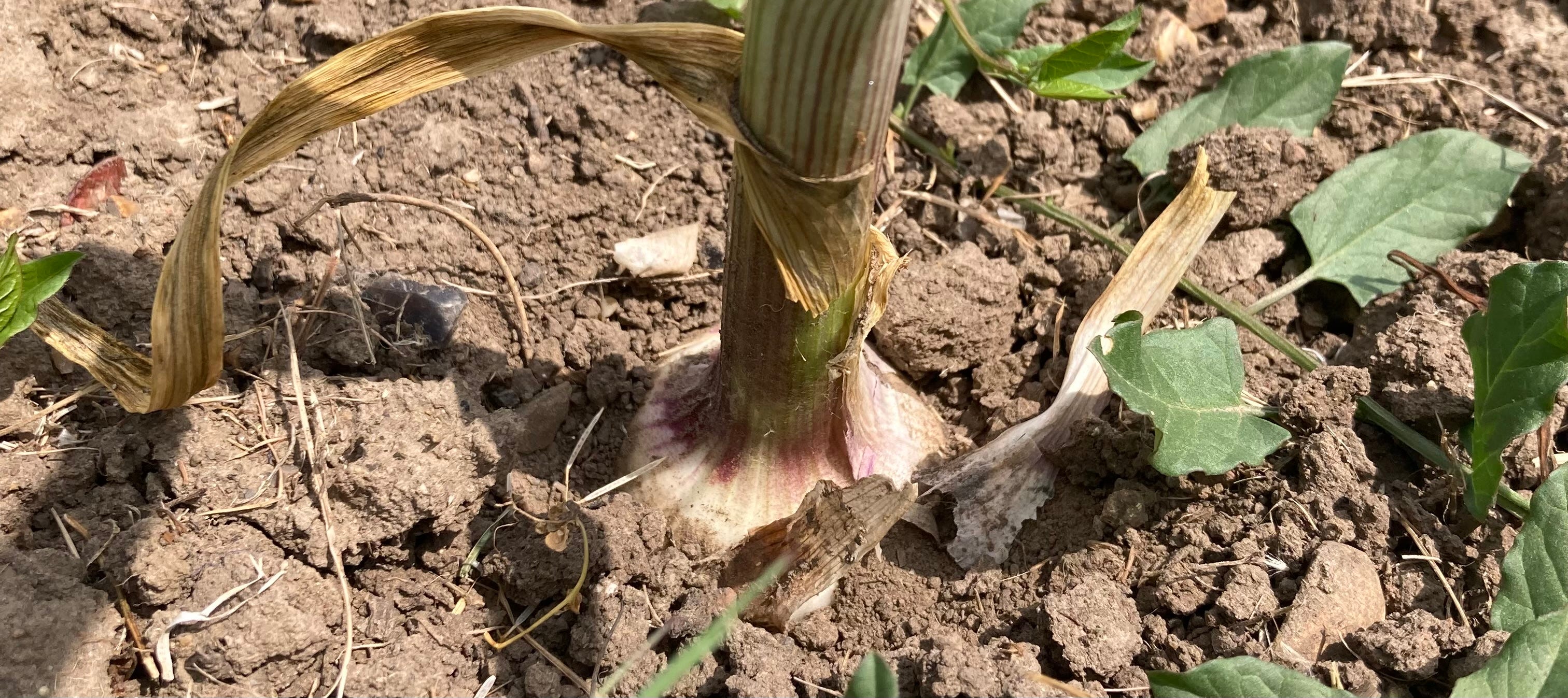
How many times makes a ritual? At the start of the season nothing in my little half-a-plot is giving enough to make a whole meal out of but only a little bit of this and a little bit of that, a few artichokes, the first broad beans, a bunch of agretti, another of fennel fronds – I thought about digging up a head of green garlic but didn't in the end – and for the first allotment dinner of the year I stew them up together very simply. Olive oil, white wine, black pepper, a vignarola of sorts, this year I have it with white rice and grated parmesan and as always it is very satisfying to eat the vegetables just-picked, just-cooked.
on the page
Recently I read a book which annoyed me unreasonably because every time the protagonist (who is supposed to be obsessed with food and is watching his weight) eats some food he is just described as eating some food or the food – despite eating in a variety of restaurants and private houses. Call it professional prejudice but I cannot believe in a character who pays no attention to what is on his plate or a writer who does not consider imagining such details to be important. By contrast Harryboy Boas in The Lowlife thinks a lot about what he is eating, salt beef sandwiches with fat and mustard, good steaks when he is feeling flush, lasagna in one of Soho's then-numerous little Italian places. Pasta, he says,
I like to eat seriously, my head down to it, and where there is a plateful of rich gravy as they serve it in this place, my special pleasure is to break up and rip the French bread, mop the plate, let the keen savour of sauce and wine spread from the palate right down to the guts. This calls for silence, for respect.
and these details are a large part of what physically root the book in place and time, put it in a liveable because lived-in space.
I agree with you regarding the food descriptions. The writer is clearly not given to food and reflects it in his/her character. Shame, as there is so much joy in reading about food, flavours and the connections and memories they bring. Louis