
26.8.25

in the soil
Every year at this time of year as the summer harvest starts to slow – the leaves on the cucumber plant turning a crackling yellow, the bean-pods swelling with the seed within – I worry that I am in no way prepared for the autumn and the winter, I have no ground ready to turn, no brassicas to sit barely growing in the soil, no hardy salad leaves to keep the plot fresh and green and once again I have failed to plan for the end of these lazy summer days; then the wind blows the clouds from across the sun which still beats down heavy and there is time yet, I think. My first tomatoes are not even ripe, we got them growing late and will be lucky if they outrun the inevitable blight, the cucuzza is covered in leaves and male flowers and yet to fruit at all, we will see what sun the next weeks hold. The turnips and kohlrabi are swelling nicely – the blackberries going strong – this year I try to steal a march on the grey squirrels and pick the hazelnuts when they are not quite ripe, those at the top of the tree noticeably more tanned than those in the shade, and at home I put them in a pretty bowl and try and decide what to do with them. They are small and round and to be honest a pain to crack open more than a few at a time and perhaps I should have just left them for the squirrels after all; I can't say that the squirrels look like they ever go hungry, but then neither do I.
in the kitchen
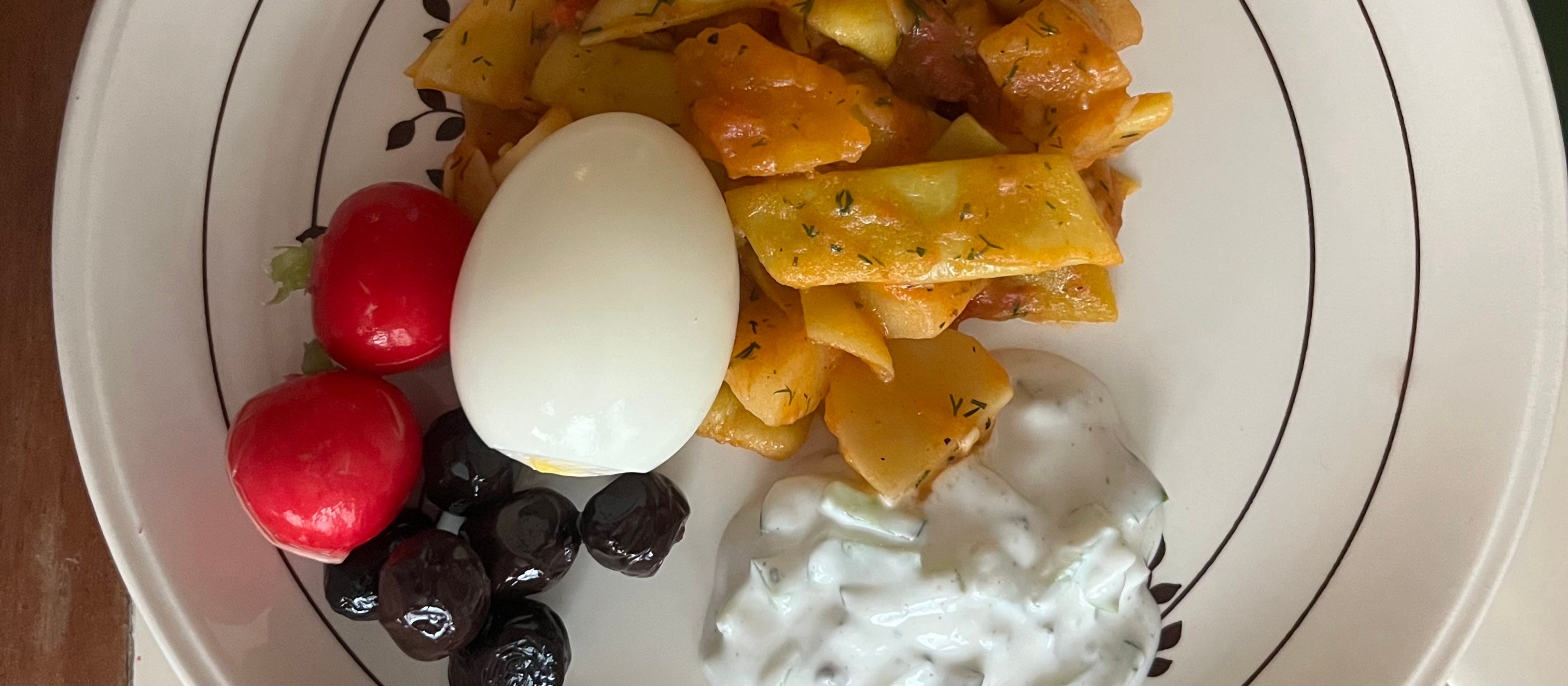
At work over summer we are very busy and so we have to keep the menu more or less the same for a month or two, simple tried and tested recipes that don't need to be tested and adjusted and are quick to prepare and serve, a sausage and tomato ragu for example is a very different proposition to one involving slicing and sweating 10kg of onion and then browning 10kg of meat and then braising these both together for » 8hrs. Creativity happens around the edges with pickles and jams and sorbets suggested by whatever we have available from the local community gardens, or on offer from our veg suppliers. A box of chillies of different colours and shapes and sizes and (presumably) hotnesses are slit along their length and immersed in pickle brine to (eventually) be finely sliced and dressed in evoo and put on top of bruschette or pasta or a piece of smoked ricotta, a box of Spanish figs oozing themselves into overripeness becomes a pot of jam scented with orange zest becomes biscuits; Rachel Roddy has a recipe in the paper for cherry and almond biscuits she says are like a cross between fig rolls and bakewell tarts and I think why not just make fig rolls and do so. At home I am very pleased with a meal consisting of:
Allotment beans and allotment potatoes stewed with allotment onion and fermented tomatoes from the community garden
Allotment cucumber made into tzatziki with allotment garlic
A boiled egg and radishes and black olives from various supermarkets
and am reminded satisfyingly if irrelevantly of a line from The Emigrants describing a meal the narrator shares with one of the titular emigrants, thus almost everything was from the neglected garden.
on the page
I had nearly finished reading the book about Francis of Assisi and his attitude towards nature when the local bookshop advertised Annette Kehnel's The Green Ages: Medieval Innovations in Sustainability which is so far really interesting if to my mind strangely marketed. Translated into English by Gesche Ipsen it was originally published in German as Wir konnten auch anders, we could have done it differently, and although it is about sustainability the book is much more rigorous and political than the English title suggests, offering not vague eco-solutions from the past but rather an explosion of the whole idea of progress and growth, showing clearly other ways for our society to be than one of competition, greed, the pursuit of profit and the hoarding of wealth. I suppose the ecological front has allowed it a sneaky way into the English market, a quietly radical book described as a great joy by the Telegraph of all papers.