
14.11.23

in the soil
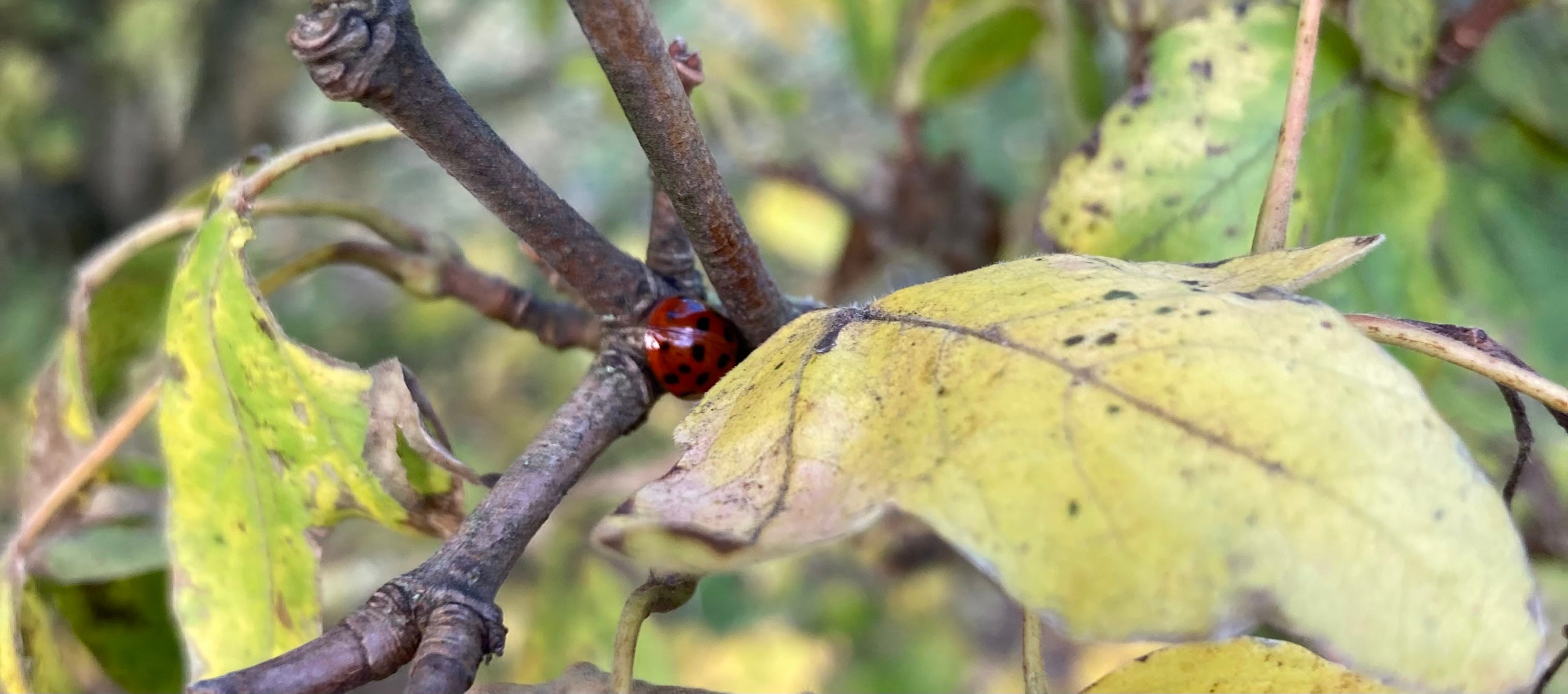
It has been raining almost daily for almost the entire month of November, it seems, and the flashes in between of what in Italy they call Saint Martin’s Summer have not been enough to dry out the earth sufficiently to do anything to it; there are weeds that need pulling and grass that needs cutting but they and I will have to wait for now, I could dig the earth over in preparation for the transplanting of my weed-bound raspberry canes but my back is weak from working and I am tired and so I just go around and look at everything and wonder if newts will return to the now-full pond if the broad beans this year will survive the wet the frost the blackfly if the artichokes will thrive if the little seed onions will grow or rot into the soil if if if
in the kitchen
At work I have instituted a new tradition that on Saturdays we have baked pasta for staff lunch, always with what a food writer of a few decades ago would refer to invariably as a crisp green salad alongside, romaine dressed with a Dijon vinaigrette. For some reason I can eat far more pasta when it is baked than when it is not and so every Saturday I stuff myself and spend the first half of evening service sleepy and digestive. In Sicily they have anelli pasta specifically for baking, dense rings that remind me of fruit Polos and that even after the recommended seven minutes of boiling and thirty-five of baking retain a good chew. In the absence of this or of any dried pasta the trick is to blanch the fresh pasta very briefly (thirty to sixty seconds) and to bring everything together warm and straight into the oven so it only has to do the job of crisping the surface (breadcrumbs for me, there is enough cheese in the body) and not warming through a slab of cold pasta and sauce which would inevitably lead to soggy pasta. A half-hour rest after baking stops you burning your tongue; a half-hour rest after eating is desirable, but most Saturdays it is straight back to work.
on the page
While reading George Brecht’s pamphlet on “Chance-Imagery” which focuses mainly on music and visual art I am thinking mainly about its application to my writing, I am interested in the automatic writing of the Surrealists and less so in the physical creation of random word sequences as found in Dada or later in Burroughs, it is not until later that I think about what chance-imagery might mean in the craft of cooking. There is a chance element I suppose in games like Ready Steady Cook or in the fridge forage beloved of food Instagram but each of those has an intention behind it, someone after all has deliberately shopped for the ingredients. Brecht says that “as art approaches chance-imagery, the artist enters a oneness with all of nature” and it is in a collaboration with non-human nature that I think the cook can approach this – in fermentation, that is, where you never quite know what the bacteria or fungus you are working with will have to contribute to the discussion.