
11.2.25

in the soil
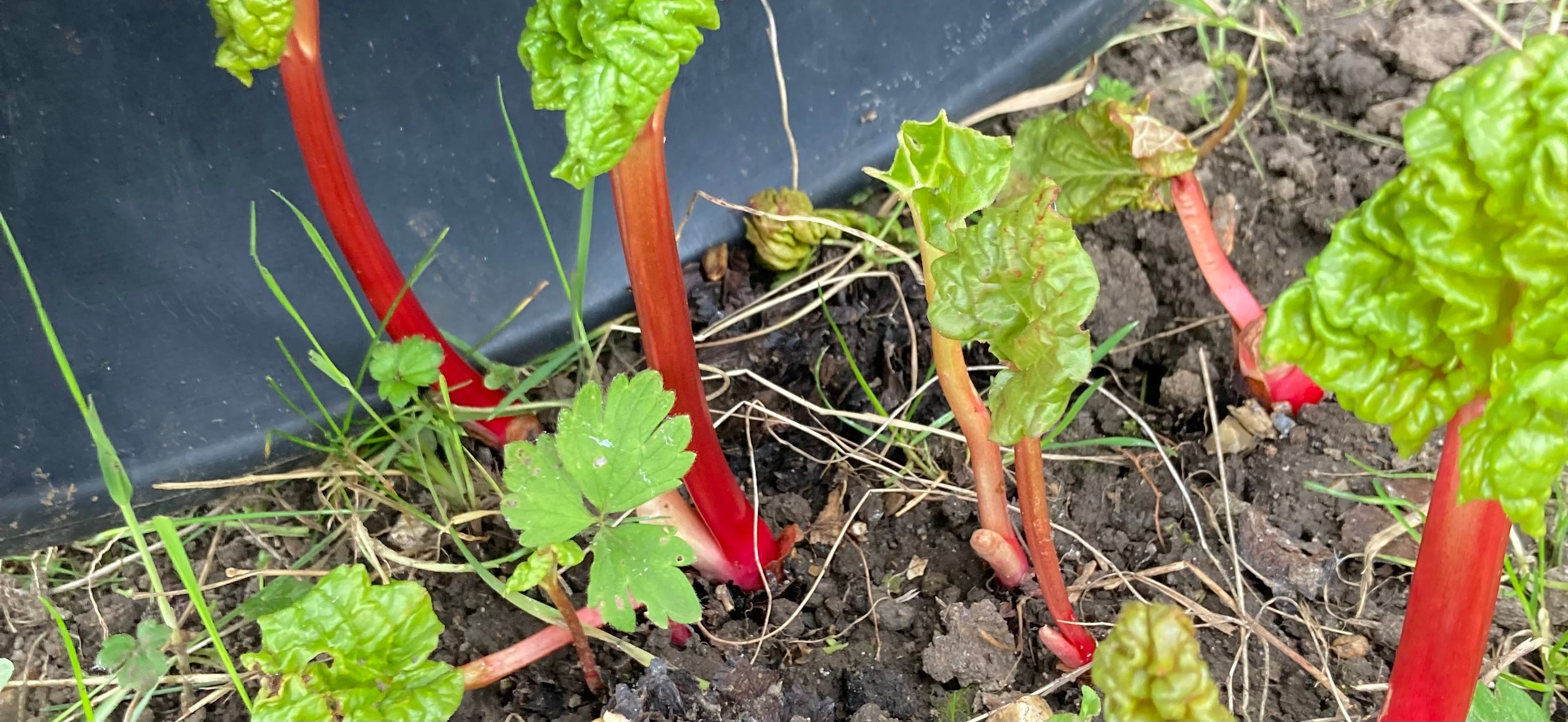
Given what we know about the wood wide web, that some fungi as well as some plants will if given bodies happily use them to move around, that certain trees for example possess the ability to warn other trees and even other plant species of danger, that entities we think of as static, inherently rooted, will in fact search around for light and for nutrients and support, I am not sure how I feel about some aspects of growing them, it complicates things. A plant is not an animal of course and we should not apply the same values, when they are harvested for fruit, seed saved, or cut into pieces and reburied in the earth we are helping them continue themselves, but when we force them, deprive certain plants of light and force them into an accelerated anaemic growth, are we torturing them? Is it anthropocentric to assume that they suffer it in some animal way or anthropocentric to assume that they do not? I do not know, and in fact once I have put an upturned bucket over my rhubarb crowns and put half a brick on top of that to keep it in place I don't really think about it much more, a hypocrite perhaps.
in the kitchen
Although the rhubarb makes bright pink points in the heavy soil and we do have some of the early Yorkshire to cook with at work the weather is a uniform dull overcast grey and demands soups and stews of various kinds, yesterday spinach and potato with barley groats (a new ingredient to me) cooked in, today a Turkish braise of lamb neck and chickpeas, at work we serve endless bowls of greens and beans and a surprising amount when it is on the menu of pig skin, stuffed with parsley and garlic and chilli and cheese and rolled up and braised in tomato sauce, perfectly unctuous. The Turkish braise I spoil, using the expensive Brindisa chickpeas which are too plump and tender for this long cooking - or rather, I fail in adjusting the recipe for this ingredient - they collapse into a thick pulse-y gravy which catches a little on the bottom of the pan, I have made worse mistakes in the kitchen.
on the page
In contrast to the apparently quite transactional nature of Hildegard von Bingen's visions and indeed to the vague image I had of religious mystics as being constantly in receipt of divine messages and showings it is interesting to learn of Julian of Norwich that the Revelations of Divine Love she received and which made her one of the most interesting figures of medieval England took place over the course of one fevered night in the grip of what she and everyone around her believed to be a fatal illness, a night of visions which she then spent the rest of her life attempting to understand, to interpret and to explain, even if she does not always succeed in the latter. While I would not want to return to a time before modern science, there is sometimes something quite refreshing about the medieval willingness to admit that some things are beyond not just the writer's capacity to explain, but beyond the human capacity to understand, an acceptance that having brains and two hands does not necessarily give us omniscience.
One of my favs yet, your question of anthropocentrism is so tuned into the false dichotomy of capitalist realtionship with 'nature'. The fact you, we, ask with self-awareness shows the caregiving that writing delivers.